Good everyday sports cars
Finding a body to wear
So you enjoyed the car culture post so much you want to actually buy a good car. I have a few general comments, and then some specific recommendations to suit anyone - spread across the new and used markets, with a variety of body styles and characters.
If you somehow ended up here before reading the first post, I recommend doing that first.
Practical considerations
A car is the second most expensive asset most people will own, so it’s important to get something you can live with.
Firstly, there are different ways of experiencing good cars. Sim racing is absolutely worth considering. Modern sim equipment is really good; a few thousand dollars is enough to get you 80% of the experience provided by a $30k track car. Plenty of people build skills on sims that immediately transfer to real cars (they even made a movie about this). It’s also safe - though you can hurt yourself with force-feedback steering wheels! The best way to buy a sim is to pick up a complete used setup from Ebay. Many people buy them and don’t use them, so there’s always lots to choose from. Budget 3-5k USD and avoid any Logitech equipment. If you want specifics, this is an example of what I’d consider well-sorted.
Then we have track days. You probably have a racetrack near you that hosts these - open events where you can bring your own car. There’s much to recommend this approach. It’s a safe environment to push your car’s limits - you should not be exploring the limits of grip on public roads! Lessons with professionals help here.
Track days are very expensive, though. There’s the direct cost of entry and fuel; they take a lot of time; but there are also costs associated with preparing your car for the track. Normal street cars are not engineered to survive track conditions, where the engine and brakes are being pushed to their limits for extended periods. Common upgrades include cooling systems, brakes, frequent oil changes, a roll cage, and a swap-in set of wheels with stickier track-focused tyres.
Now we come to street driving. This has the obvious advantage of being something you have to do anyway, and a good street car can make it a huge amount of fun while staying within the law and not taking any serious risks. The downsides are also obvious - laws, road layouts, and your obligation to not endanger others. One solution, tacitly endorsed by much of the car community, is to ignore these restrictions. You obviously shouldn’t do this.
Safety is worth discussing in more detail.
You probably know that driving is one of the riskiest things you do. In the US, it’s good for about 11 micromorts per thousand miles (this includes bystanders). Compare that to 0.05 for a thousand miles in an airliner, around 2.5 for a skydive, or 180 for childbirth. 14 months of normal US driving (16,000 miles total) is riskier than the average birth! If you’re young and healthy and avoid extreme sports, drugs and guns, it’s probably the biggest source of risk in your life - certainly the one you have the most control over.
But driving risk is concentrated among people very different to you (probably). About half of fatal crashes involve drivers who are impaired (e.g. drunk), speeding, or unlicensed, and about a third of deaths are an occupant not wearing a seat belt. It’s hard to disentangle this - other people do it even if you don’t, and there are second-order effects to avoiding these behaviours - but if you’re licensed, sober, belted, and not speeding, your risk is likely at least 2x lower per mile, possibly as high as 4x.
Sports cars have a crash frequency about 2x higher than the fleet average, and this isn’t just a mileage or demographic artifact. Something interesting here is that cheaper models like a base Mustang have much higher crash rates, whereas high-end sports cars like Porsches are actually much lower than average. Opus 5 estimates 3-6 micromorts per 1000 miles for a law-abiding sports car owner, which is a 1.3-1.8x penalty over an equivalent standard car like an SUV. This is driven by lower weight and body shape.
There are some specific things to consider that move this needle. You really want to look for something with curtain and torso airbags as well as electronic stability control, which have some of the largest effect sizes - these are basically standard on everything from the mid 2010s onward.
Age has a big effect - going from an average 2000 car to an average 2024 car cuts the fatality risk per mile by about 2x. But the within-year spread between specific models is just as large as the age spread, with the important variables being mass and body style. This is a genuine and serious tradeoff when buying a small, light sports car.
Looking at the discussion of features earlier you may be tempted to buy a motorbike. They’re very light and nimble and provide wonderful feedback, plus they’re small, simple, and easy to work on. But I don’t think you should and the one reason is risk. Average US motorcycling offers 280 micromorts per 1000 miles; Opus 5 estimates our careful driver from before at 100 micromorts per 1000. The risk floor is high because many bike accidents are caused by other normal drivers making minor errors. And death alone understates the risk profile. A majority of bike accidents involve injury or death compared with a minority for cars. If you know anyone in healthcare you should know how badly a bike accident can fuck someone up - from degloving whole limbs to permanent disability. Bikes are dangerous on track in a way that even stripped-down track cars aren’t. The only real way to control this is to never saddle up in the first place.
Reliability is another topic that bundles a lot into one concept. At the lowest level there’s the question of whether a car will leave you stranded. But cars that clear this bar can still be expensive and annoying to own if they have minor issues, complex repairs, or costly parts. The engine is the thing to focus on here; an ideal engine never needs work beyond regular maintenance like oil changes, is simple to work on, and uses cheap parts. Few meet this standard.
Many cars will have specific parts that always fail. A little research will uncover these (or I’ll just tell you in my recommendations below). When shopping for a used car, always look for something with service records that has had these major jobs done. It saves you thousands without raising the price much! It’s better to buy something with 200,000 miles and a paper trail than a 100,000 mile mystery case.
Both performance and efficiency often trade off against reliability by introducing complexity. But there are a handful of beautifully engineered engines that approach the centre of the triangle and achieve performance, true reliability, and efficiency.
Regarding fuel economy, it’s worth considering that MPG is not the only thing that matters. A performance car - even a naturally aspirated one - will often require higher grades of petrol like 95 or 98 octane due to its higher compression, which can significantly impact fuel bills.
Specific recommendations
Coupes and convertibles
Mazda Miata
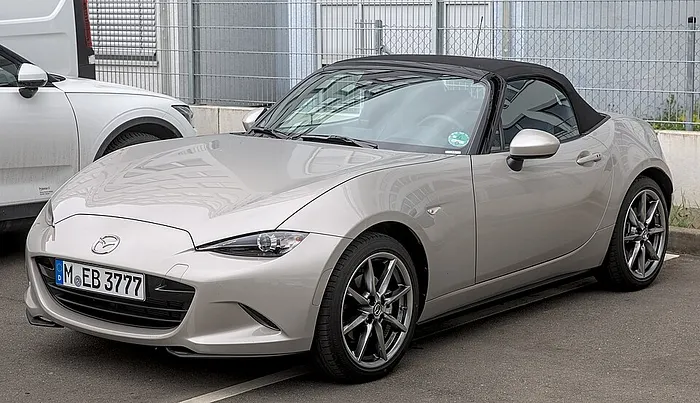
The Miata (also known as the MX-5) is the Toyota Corolla of sports cars for good reason. They’ve been making them since the 1990s across four different generations, NA to ND, with an ND pictured above. Mazda hasn’t toyed with the formula: even brand-new Miatas are barely above 1000kg and can be optioned with a manual transmission. However, the ND did see a move away from hydraulic steering and the introduction of a significantly worse electric rack. It’s a shame considering the earlier generations had incredible steering feel.
Their greatest advantage is their weight, which lets them get away with a small, reliable, economical engine. So they’re slow in a straight line, which is the main tradeoff; but should you wish to change this, Miatas have the largest aftermarket of any car I can think of. Supercharging one is like assembling a Lego set. And when corners enter the picture they can hang with Porsches. They are rear-wheel drive, but the engine is in the front. This does make them easy to work on, though.
With two seats and a trunk barely big enough for groceries it’s hardly practical, but you have to compromise somewhere to meet modern safety standards at just 1100kg.
On older examples check for rust on the frame, worn suspension mounts, and tired manual gearboxes. The engines are pretty bulletproof - just make sure you’ve got records of regular oil changes and timing belt changes on older cars. The main option to keep an eye out for is a mechanical LSD.
For enjoyable driving below the speed limit on all kinds of public roads, it’s hard to beat a Miata.
Toyota MR2 (Midship Miata)

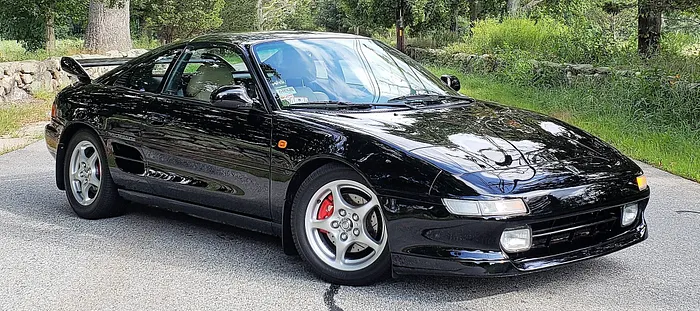
Hard to beat a Miata - but it is possible. The trick is that the MR2s are mid-engined - “MR” stands for “midship runabout” - making them nimbler and more confident than the Mazdas. And they’re even lighter to boot. The car above, part of the third and final generation, is just 995kg. The steering rack is razor sharp, an all-time great.
MR2s are getting long in the tooth these days. The third generation (W30) wrapped production in 2008. Make sure you get something with solid service history, and watch out for worn subframes and problems with the pre-cats in the exhaust manifold.
The first-gens (W10) are certified classics, and the second (W20) is on its way out of the used market and into the barns of collectors. If you can find a good deal on a W20, take it. They are beautiful, have Toyota reliability, and are one of the greatest everyman sports cars ever built (in this author’s humble opinion). Remember my spiel earlier about the golden age of the 90s? The W20 was one of its pinnacles.
Subaru BRZ/Toyota 86 (Bigger Miata)
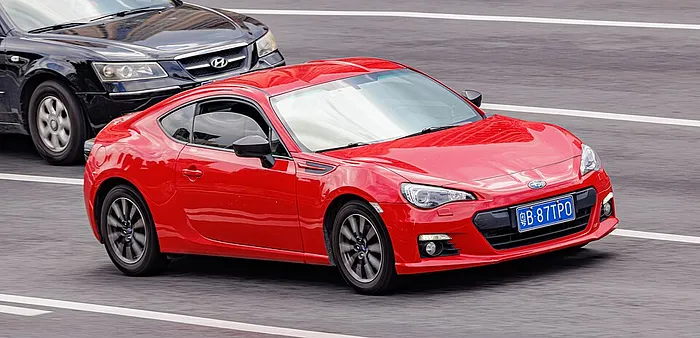
If you want a Miata but they’re just not refined or comfortable enough for long trips, or you want a real trunk and four seats, an 86 might be the answer. These are a collaborative project between Toyota and Subaru, a Frankencar with a Subaru boxer engine in a Toyota body, and virtually identical models are sold under both badges. They’ve got about the same power to weight as a Miata in the same RWD, front-engined layout; manuals are also a common option in the used market. Weight is a little higher at 1200-1300kg, but they’re still hardly heavy.
The aftermarket isn’t quite as extensive as a Miata but it’s still huge. These are one of the best platforms to learn track driving in - they’re linear, predictable, and balanced.
The TRD or performance pack trim is an upgrade worth paying for. Not much goes wrong mechanically, but if you’re buying a 2012 or 2013 model make sure it’s had the valve spring recall addressed. In my opinion boxer engines are annoying to work on for bigger jobs, so keep that in mind!
In the US they’ve also been sold as the Scion FR-S, and the latest generation is marketed as the Toyota GR86.
Nissan 350Z/370Z (Biggest Miata)
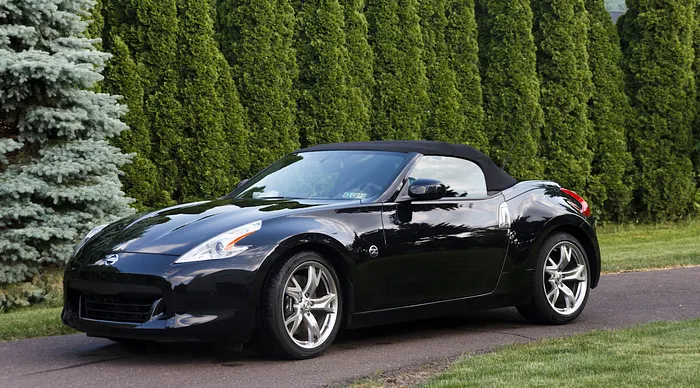
Nissan has been making their line of Z coupes for a long time, starting with the legendary 240Z in 1969 and continuing today with a new generation just released in 2022. But if I was buying one today I’d look at a 350Z, which were produced between 2002 and 2008, or a 370Z (2008-2020).
A Z is a full-fat performance car. Unlike the other options in this section they’re actually quick in a straight line thanks to the 3+L V6 straddling the front axle (a ‘front-mid engine’ setup). They’re much heavier at around 1.5 tons, but they’re also much more comfortable for someone who’ll be spending a lot of time in the seat. Manuals are common in the aftermarket and the chassis is a delight. Look for a non-base trim in the used market for a factory LSD (though the viscous LSDs in 350Zs will probably need a rebuild by now).
350Zs are one of the most popular drift cars available and have a great track-focused aftermarket. The trick is finding a used one that hasn’t been too abused or tastelessly modified - if your budget can stretch, 370Zs tend to be a bit better in this regard.
Older Zs love to burn oil, so look out for this in the history. For both a manual 350Z and 370Z you’ll want an example that’s had its concentric slave cylinder replaced, which is pricey at a mechanic, and don’t buy a 370Z without records of the oil galley gasket being done.
Porsche Boxster 986 (Fancy Miata)
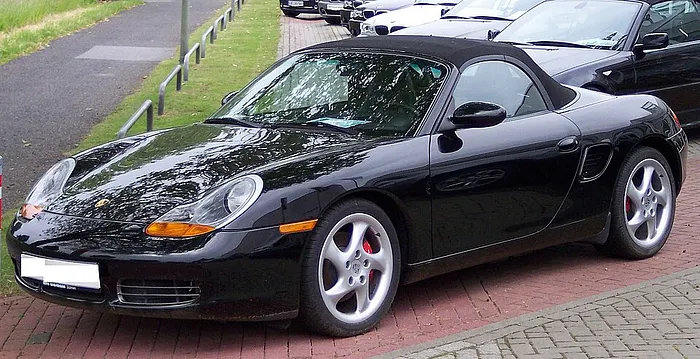
The cheapest non-SUV Porsche is like a Miata that’s been to grad school. Everything about the Boxster is better except the running costs. It’s mid-engined, it’s faster, it’s more refined and engaging, the interior is more premium, and it sounds amazing. These are really special driver’s cars and they’re at the absolute bottom of their price curve at the moment. Buy one while you can, especially if you can find a manual Boxster S with the 3.2L engine. But know what you’re getting into: the upfront cost is cheap, but expect repair costs double or triple that of a Miata. Porsche parts come dearly, the engine is a pain to get at, and these are pushing thirty years old. It’s still worth every penny.
Mechanical history is much more important on these. Never buy one without records of the intermediate shaft (IMS) bearing having been replaced, and ideally retrofitted with a quality replacement like the one from LN Engineering. This can blow up without warning and destroy the engine. Other specific replacements to look at include the rear main seal and the water pump. Basic maintenance records should, of course, be rock-solid. Luckily Porsche owners tend to be more scrupulous about this.
Chevrolet Corvette C5
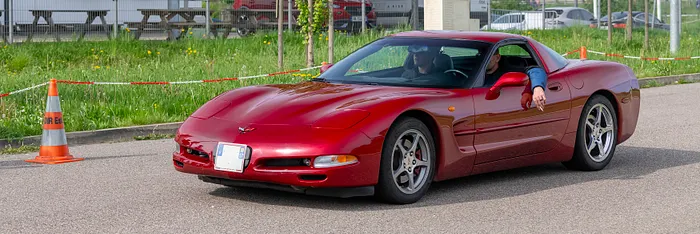
Corvettes are rare outside the US, but they’re a great option for Americans. The C5 is the generation to buy: currently as cheap as they’ll ever be and much better than the C4. Enjoy the used-market discount because enthusiasts consider these Dad cars.
American cars have a reputation for poor handling, which is undeserved. A C5 can corner just as well as the best on this list, especially if you’re willing to spend some money in the aftermarket.
American cars also have a reputation for huge engines, which is well deserved: the C5 saw the debut of the legendary 5.7L LS1 V8. This engine is awesome. It’s a brick of a thing that gives C5s serious pace; it’s reliable and economical by dint of being so big it’s barely under load most of the time. You can get 30 MPG on highways because in top gear the LS is literally idling.
It’s lighter than it looks, too, at around 1.5 tons. I don’t know as much about these; not being an American, the info here is secondhand, but I’ve only heard good things.
Hatchbacks
Hyundai i20n/i30n/Veloster N
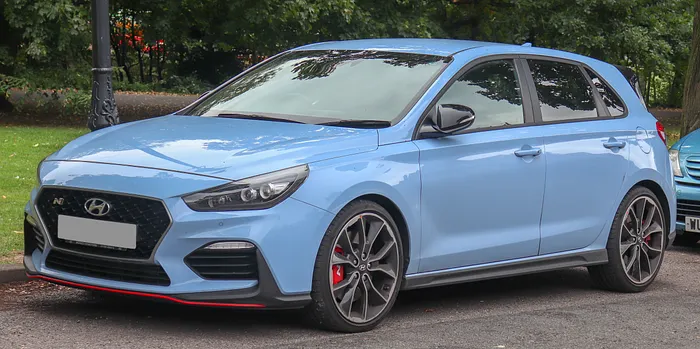
Hyundai is one of the only brands active today that actually cares about making good performance cars. In a world of “performance trim” SUVs and numb 2-ton land yachts, Hyundai is genuinely dedicated to driving dynamics. They’ve come a long way from their cheap and nasty 2000s offerings.
N is the Hyundai performance division, and their cars are interesting because they offer a combination of the lightweight, communicative cars of the 1990s and the creature comforts of the 2020s. They have modern safety features, Apple CarPlay, and comfortable interiors - but the i20N is barely over 1000kg and manuals are still very much an option. They have some of the best electric steering racks available. What really sets them apart, though, is all the N software: things like shift assistance, valved exhausts to control sound, and extremely granular tuning of how the car behaves through software menus. Rather than using the software to isolate you from the car, they actually understand the appeal of enthusiast cars and use modern computing to enhance the experience.
The i20N is the smallest, lightest, and hence best of the range here. Unfortunately the US only got the larger Veloster N - which, to be clear, is still a great car.
Other colours are available, but come on, are you really going to pass on the signature N baby blue?
Look out for the Performance Package option for an electronic LSD and upgraded suspension, among other tweaks. There are a couple of recalls on early models to watch for, but in general these cars are new enough that long-term reliability hasn’t properly shaken out yet. I’d avoid the automatic DCTs, which will likely need a mid-life rebuild. With all the assists these are a great platform to learn manual in anyway.
Toyota GR Yaris/GR Corolla
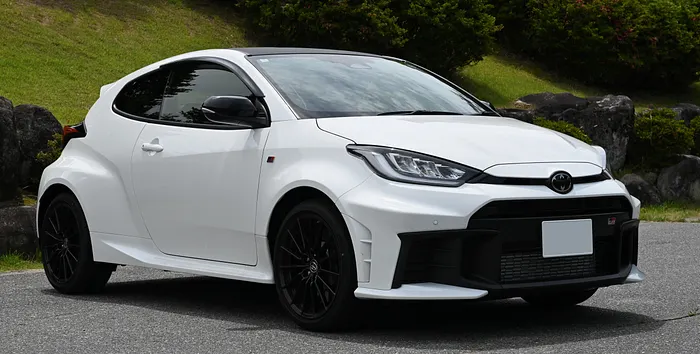
There are many ‘performance’ versions of mainstream hatchbacks on this list, but few have been changed as much from their economy-car beginnings as the GR Yaris. It looks like a Yaris on the outside and that’s where the similarities end. It has a unique chassis with a stiffened shell, a wider body to fit fatter tyres and an AWD system, and custom suspension geometry. It barely shares a single body panel with the base Yaris. The roof is carbon fibre and the hood is aluminium to save weight. The engine is a tiny 1.6L turbocharged three cylinder that Toyota somehow gets almost 300 horsepower out of.
The Corolla isn’t quite as extreme, but it is heavily revamped and shares the engine and AWD system of the Yaris.
These are great cars that have had genuine care put into the tuning of their every system; they’re the closest thing to a rally car on this list. They do suffer a little from modern pathologies like numb electric steering, but these are minor quibbles, and the upside is modern safety and amenities. Toyota’s software isn’t quite up to the standard set by Hyundai, unfortunately.
The GR Yaris, generally agreed to be the better of the two, has never been available in the US market. The Corolla does benefit from four-door practicality, however.
Look for the Circuit Edition or Circuit Pack options respectively on the Corolla and Yaris. Mechanically things seem… OK on these, but keep an eye on the gearbox and clutch on used examples, and avoid any cars that have had aftermarket tuning. There are well-known issues with the little 1.6 when put under excessive stress; to make those horsepower numbers it’s already under serious pressure from factory. Regular 6000 mile oil changes are a must.
Suzuki Swift Sport
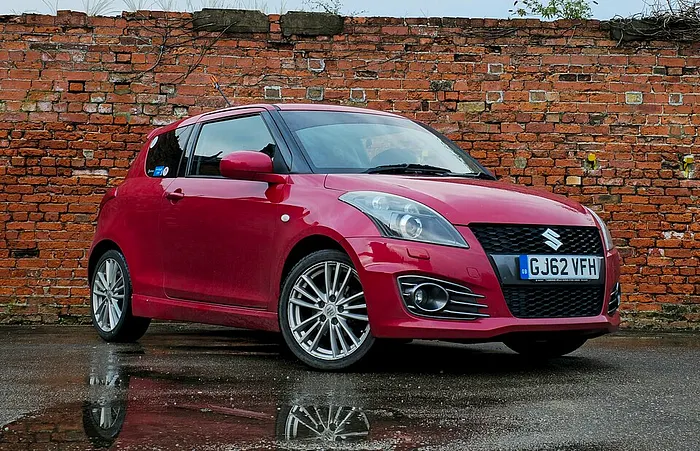
It’s tough to beat a Swift Sport in terms of value for money. Yes, it’s slow, and based on a budget compact car, but the issues end there. They’re dirt cheap on the used market, well-built, and perfectly set up for legal fun. The M16A engine used in the first two generations hits that rare combination of simplicity, rock-solid reliability, character, and great MPG. Swift Sports are bulletproof enough to take track abuse basically straight from the factory - some survived several hundred thousand miles on the Nurburgring without issues. They have the practicality of a four-door hatchback while weighing even less than a Miata.
Americans, of course, could never be allowed to have something this good - they never made it to the US market.
The main downside is that these are really city cars and struggle a bit with extended highway driving. They’re geared low and sit quite high in the rev range at highway speeds. Over time this becomes pretty grating - they’re not the quietest or most comfortable car either.
Look for a second generation car, which keeps the naturally aspirated M16A from the first generation while improving everything else. There’s basically nothing mechanical to look for - this is one of the few cars on this list I’d consider buying with no maintenance history, because it’s probably going to be fine anyway with some fresh oil. Look at any issues with wheel bearings, I guess?
Renault Megane RS II
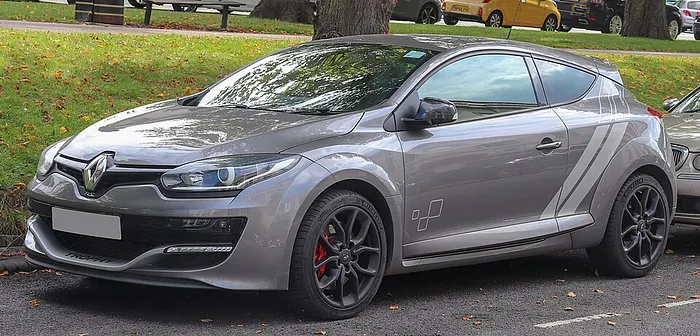
The Megane RSII proves that a car is more than just a spec sheet. It sounds boring on paper: a FWD car adapted from a cheap hatchback with a 2L turbo engine. How original. Yet there’s a reason you can expect to see one of these at any track day in Europe. The steering: amazingly sharp. The chassis and suspension: agile, dialled. The ride: a perfect balance of stiffness and pliability. The transmission: always manual. The power: just right.
It’s a track weapon that can eat public roads for lunch without even hesitating - but it’s also surprisingly comfortable and practical for day-to-day use. Once again, the RSII was just too good for the American market.
Look for a Cup spec car - you get a mechanical LSD, better suspension, better steering, and track-sized brakes. The F4R engine is surprisingly solid, but just see how the gearbox and clutch feels on a used example since these tend to take a lot of abuse. Watch out for crunching and hesitation on shifts and slipping from a worn clutch. The one engine job to check records on is the timing chain.
Sedans and wagons
BMW E90 family with N52 engine
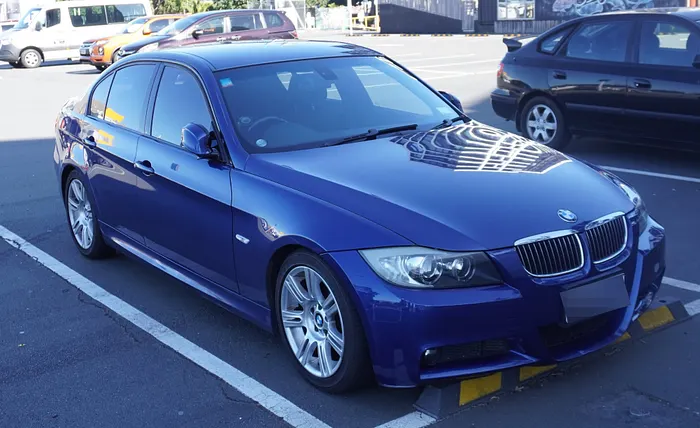
Older luxury cars are one of the great arbitrage opportunities in used car markets. Compare a 20 year old BMW with a brand new Corolla: the Corolla has come a long way in two decades, but the BMW still has many advantages. It has a nicer interior with better materials. It’s more comfortable, more refined, and quieter, which really adds up on long trips. It has a lot of the same features as the Corolla - cruise control, automatic lights, automatic wipers, and so on. You notice little details like a better sound system. This doesn’t sound like much on paper but it adds up to a completely different experience; it’s noticeable as soon as you actually step into the seat.
The downsides are obvious. There are so many options and so many pitfalls. The parts are expensive and complicated to replace if you end up with a lemon. But this is the reason the arbitrage exists, because there are good examples and models available, but the average buyer can’t tell the difference. The trick is to know what you’re looking for and buy exactly the right car. This is a guide to one of the best options.
Firstly, why are we looking at BMW? While the ‘ultimate driving machine’ tagline is far from the truth, in the 2000s BMW really did have the best driving dynamics of its class. Japanese firms like Lexus were more focused on comfort and features, Audi was busy building AWD cars with more power than handling, and Mercedes specialised in autobahn-eating barges with huge V8s. A good BMW is an ideal compromise car. Practical, comfortable, well-featured, refined in traffic; yet also nimble, RWD, and a perfectly balanced delight around corners.
German manufacturers like BMW, Audi, and Mercedes will release generations every five to ten years which basically let you mix and match a range of body styles and engines. All of the cars within a generation share parts and a design language. So this is a recommendation for a particular generation of BMWs with a specific engine.
The generation in question is something I’ll call E90 after the model code for its standard sedan. These cars were produced from the early 2000s to the early 2010s. It includes the following body styles:
E8X 1 series (E87 five-door hatchback, E81 three-door hatchback, E82 mini coupe or E88 mini convertible)
E9X 3 series (E90 sedan, E91 wagon, E92 coupe, or E93 convertible)
E6X 5 series (E60 large sedan or E61 large wagon)

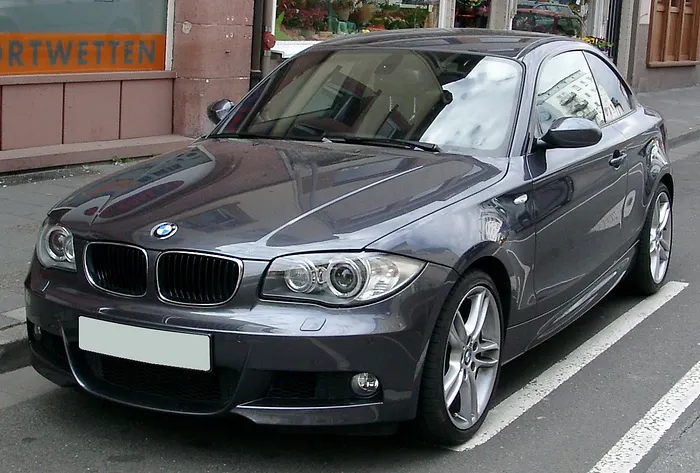
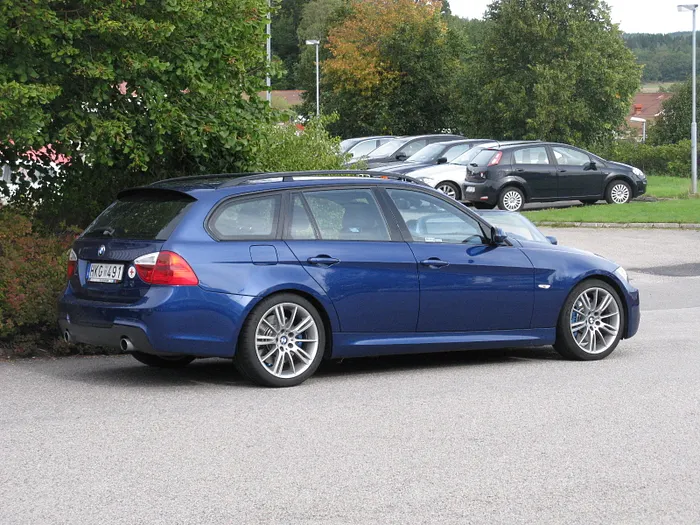
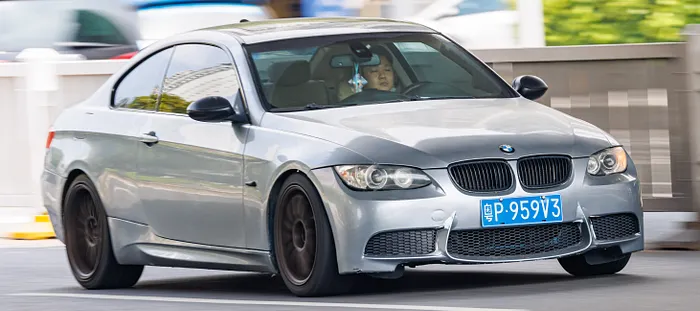
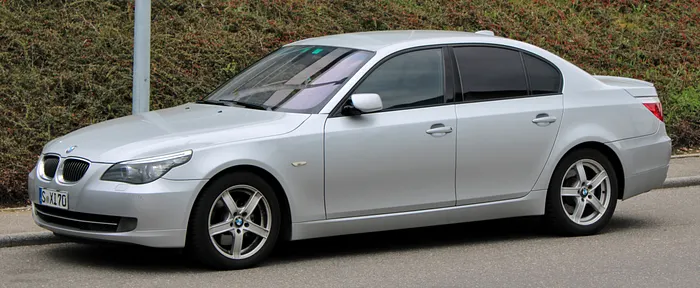
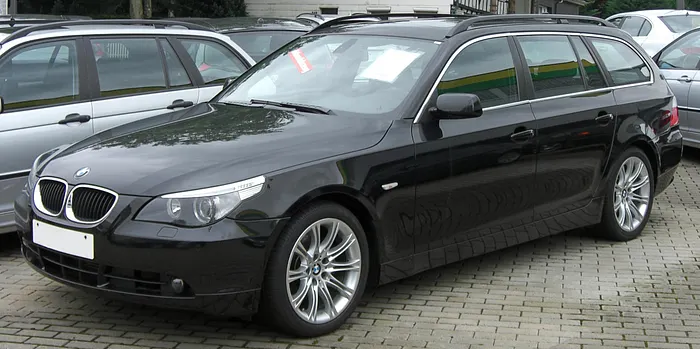
Once you’ve chosen your favoured body style, we can start talking about engines. BMW models are named using a numerical code: for example, a 120i is a 1 series with a 2.0L engine powered by petrol (represented by i, which is d for diesels). An x is added for a model with all wheel drive (e.g. 328xi).
I recommend a specific engine here - the N52. Why? It’s among the best engines BMW ever built. They’re known for their naturally aspirated inline sixes, and the N52 is the last of this lineage before turbos took over. It’s the pinnacle of a decades-long quest to refine a very specific machine. The N52 is wonderfully smooth and linear in the way it delivers power - I have had people ask if mine was a hybrid - and as reliable as it gets for a BMW engine. It has just the right amount of power; it’s well-behaved for daily driving low in the rev range, but go hunting for its peak near 7000 rpm and it comes alive with a flat, raw scream. It even returns decent MPG on the highway.
E90 generation cars came with several other engines. The four-cylinder petrols can be dismissed out of hand as anemic, dull, unreliable, and inefficient. The N54, the twin-turbo version of the N52, is a favorite of tuners. However, it’s also notoriously unreliable, adding several expensive and failure-prone parts to the solid base of the N52.
There are a variety of diesels as well. These are more interesting: they’re a reminder of the brief years in the 2000s where the future of fuel economy seemed poised in the balance between Japanese hybrids and German diesels. Brands like BMW had invested millions in R&D to create diesel engines refined enough to work in passenger cars like the 3 series, and this finally paid off in the 2000s. The best of these engines have great fuel economy and make huge amounts of torque. Downsides include their complex emissions-control equipment and high price on the used market due to their status as cult classics.
For me the straightforward recommendation is the N52. In the US finding one is easy, because for the most part only two petrol engines were available: a 3L N52 sold as the 28i, and the N54 which was sold as the 35i (e.g. 328i and 335i). In other markets you’re looking for a 23i, 25i, or 30i - ideally the 30i.
Most cars are autos, using a pretty good 6-speed torque converter automatic with a manual mode. The automatic transmission is made by ZF, who got started making airship transmissions. Manuals are much more common in Europe.
There are further nuances because of the range of options available on these cars - the list was so extensive that basically every car is unique. Firstly, don’t even look at anything without the M sport package. This includes stiffer suspension, a quicker steering rack, bolstered seats, and various other tweaks. It can be hard to tell if a used car has the package because parts are often changed or swapped out - look for the ride height, an M logo on the steering wheel, or check the VIN.
Other options to watch for include cruise control, the lovely Le Mans blue, heated seats, the xenon headlights with ‘angel eye’ halos, paddle shifters, keyless entry or ‘comfort access’, and the premium Harman Kardon sound system.
There are a few specific big-ticket jobs that every N52 will need at some point in its life, so only buy one that has already had at least two of the following replaced (with records): water pump and thermostat, oil filter housing gasket, valve cover gasket, and the oil pan gasket. Check under the hood for things like oil stains down the front of the engine (particularly on the serpentine belt), smoke coming off the exhaust headers, and a burning-oil smell from the AC. The former indicates a neglected oil filter housing gasket which can eventually damage the belt and destroy the engine, and the latter two are telltale signs of a failing valve cover gasket which leaks oil that then burns up on the exhaust.
With those addressed, an N52 should be a dependable workhorse that needs nothing more than regular maintenance (do those oil changes every 6000 miles!).
If you want something larger and safer or spend a lot of time on the highway, I think these are a good choice. A Miata is quickly going to become grating if you’re mostly using it for 30-minute commutes at highway speeds in a straight line. The E90 will handle this perfectly, however, and can still leap into action when asked, even if it will never be as raw and engaging as the other cars on this list. Its character is more like a big cat: lithe, composed, and laconic.
Mazdaspeed 6
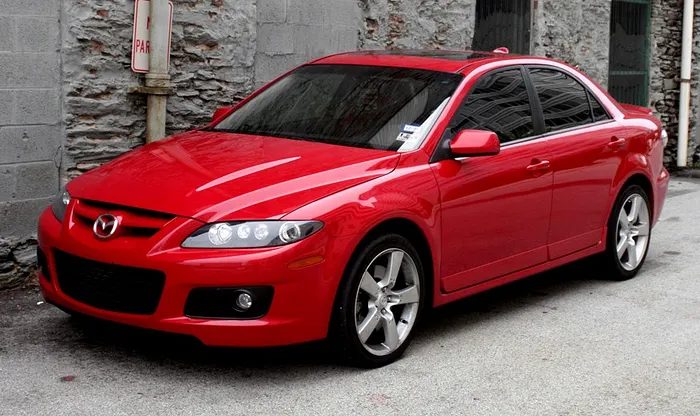
The Speed6 is a bit of a cult classic. They’re somewhat rare - I believe they were only sold for two years in the US - but are currently a great deal on the used market. Despite their unassuming looks they pack serious performance, with multi-link suspension, AWD, and highly capable 2.3L turbo engines. And they’re all manuals. The size and AWD system does mean they’re heavy, around 1.7 tons.
That size does mean practicality, and the interior is well-appointed with the subtle luxury that is Mazda’s signature. Those rear seats are pretty annoying to fold down, though.
Its smaller cousin, the Speed3, is a wild hot hatch that bucks about under load as it struggles to transmit its power to the road. But the 6 with its AWD system is planted, confident, and utterly capable.
The Speed6 sits in the same class as popular competitors like the Subaru WRX, but it’s secretly better than all of them. Look out for the beautiful Black Cherry Mica colour (it looks much better in person, trust me) and the Grand Touring package that includes xenon headlights, heated seats, and keyless entry.
Mechanically, the main thing is VVT and timing chain issues stemming from VVT actuator failure. Listen for a rattle from the engine during cold starts, and look for records of work on this. These are older cars, too, so you’ll want solid history. It’s another good comfortable long-range option like the E90 if you can find a good example.
Honda Civic Type R
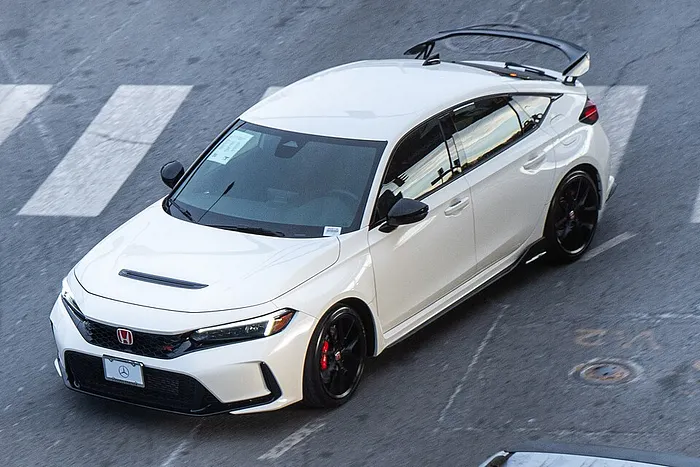
The Civic Type R is a model with a storied heritage. 1990s examples are now classics, legendary for their featherweight chassis, high-revving naturally aspirated K20 engine, and raw character. The modern generations aren’t quite as good, but they have their own appeal. The latest generation, the pictured FL5, is one of the more demanding modern performance cars - but it’s also more rewarding.
It’s unassuming and slower than its competitors, but it is very well-built and its inputs are incredibly refined for the price point. It does suffer from modern trends, but again we return to the same refrain - worse steering, better safety, nicer amenities. Honda is particularly known for the wonderful feel of their manual gearboxes, and the FL5 is a standout in this regard. The overall character is a sort of Jason Statham precise aggression.
The all-red interior is a fun quirk, but might not be to everyone’s taste.
Older generations are worth a look too, but the FL5 is something of a sweet spot. The previous FK8 has a divisive transformers-esque look to its exterior and lacks some of the FL’s refinement. And generations older than that are expensive for their age as they appreciate into classic status.
On used examples, check if they’ve had their fuel pump addressed if they were covered by the relevant recalls.
Hyundai Elantra N
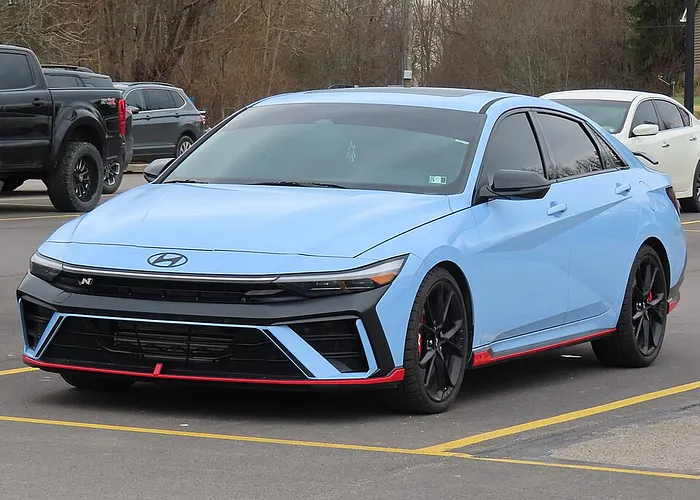
This is the big brother of the other N cars I discussed above, and all of that material applies here too. This is virtually identical to an i30N, but in a larger and more practical sedan body. If you’re looking for something similar to an FL5 Civic Type R but a little wilder and less refined, the Elantra is a good option.
Mazda RX-8
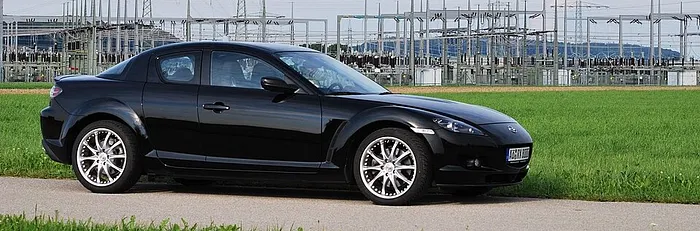
Lastly we have a wildcard. You should almost certainly not buy an RX-8. But if there is someone reading this who’s thinking these options all seem too boring and conventional, or someone with a masochistic streak who loves taking care of sick animals, the RX-8 might be the car for you.
The defining feature of the RX-8 is its rotary engine. It doesn’t even have pistons! It’s so lightweight and small, and it revs out to 9000 RPM with a crazy buzzing scream! And you actually have to rev it out, it’s part of the maintenance schedule!
Mazda is the only company who have ever offered rotaries in a normal production car. The RX-8 is the older brother of the legendary FD RX-7, which is one of the most storied sports cars in history, including a headline appearance in Tokyo Drift. You probably can’t afford an RX-7, but the 8 benefits from its long shadow in some ways. It’s a good car that was nevertheless a disappointment; this combined with its mechanical quirks makes them dirt cheap on the used market.
The clamshell doors make it surprisingly practical. The combination of RWD, a good manual gearbox, and the engine makes the RX-8 an incredibly communicative and alive car. It’s almost hyperactive, a flickering knife of a thing. It’s not really fast in a straight line but the lap time to purchase price ratio is almost unmatched.
The rotary engine in these cars is notoriously unreliable. You need to treat it very differently to a normal piston engine, but they’re not too bad as long as the proper maintenance has been kept up with. Then again, “not too bad” just means the engine will make it to its next rebuild. And the fuel economy is horrific.
Look at the GIF above. The only thing sealing the combustion inside the engine is the seals at the tip of the rotating triangular ‘piston’, which are rubbing against the side of the engine. These apex seals are the biggest issue with RX-8s, and you want to make sure they’re still OK on any example you’re looking at. Rotary mechanics will issue compression test certificates for the engine - look for one of these.
Once you have a good set of apex seals, you want to look after them. This means topping up the oil constantly, because the RX-8 is actually designed to burn its own engine oil like a 2-stroke engine. You’ll also be adding special oil to your fuel tank every time you fill up.
Some other miscellaneous points: the spark plugs and ignition coils need replacing frequently. It’s easy to flood the engine - never shut it off too soon after a cold start, let the engine idle up to temperature first. For early examples, check if they’ve had their starter motor upgraded. Oh, and the clutch has all sorts of problems.
It will need to go to a specialist rotary mechanic, which can be rare in some areas. I shouldn’t have to tell you to do your research, actually think about what you’re getting into, and only buy one with rock-solid history. But for the right person, I think the RX-8 makes sense. One way or another, I can guarantee you’ll form a relationship with it!